Is Watermelon Good for Diabetics? What You Need to Know
August 25, 2026
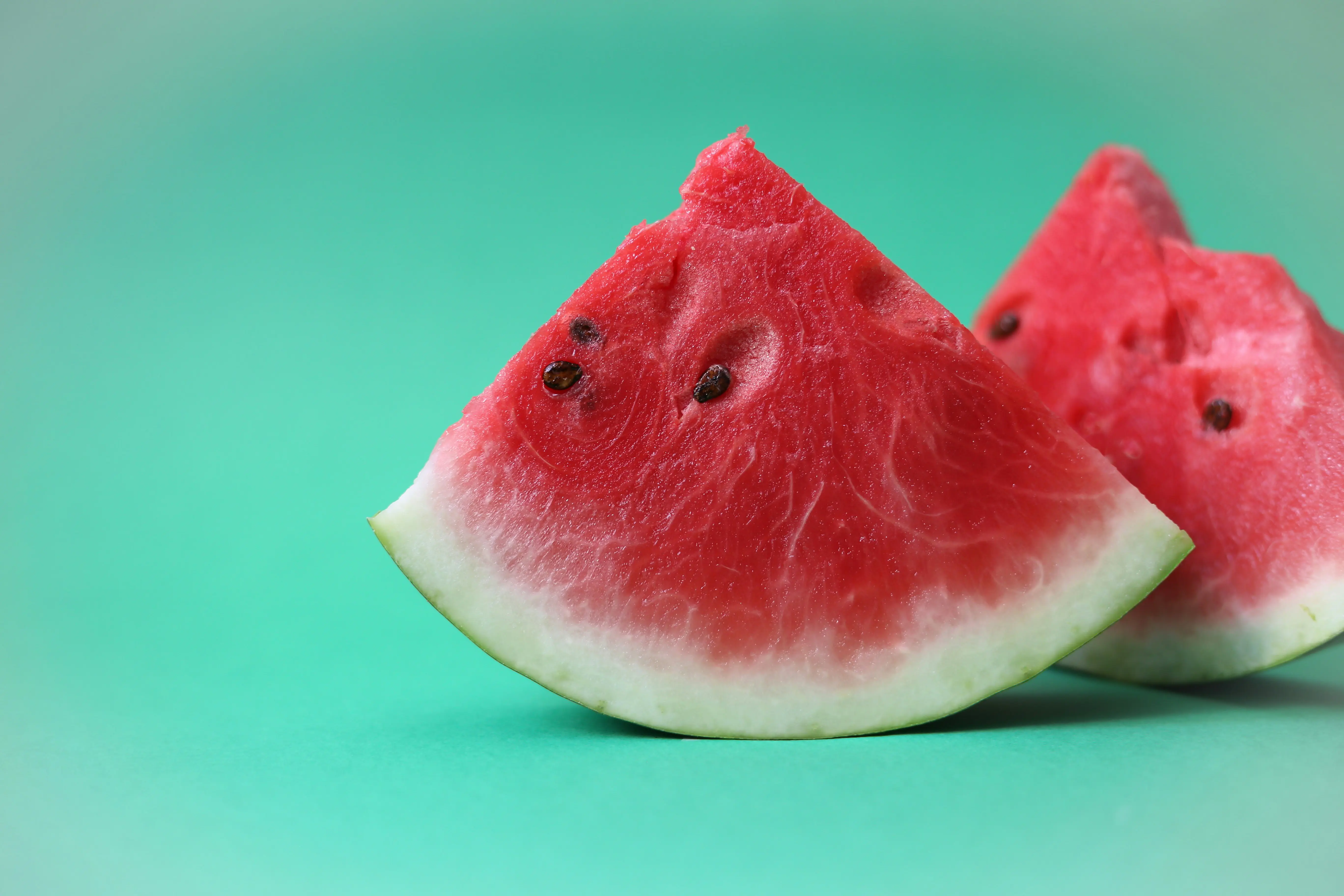
Watermelon can be part of a diabetes-friendly diet, but it needs a more careful approach than most fruits. That's because watermelon has one of the higher glycemic index scores among common fruits, even though it isn't especially high in total sugar. Understanding why those two facts aren't a contradiction is the key to eating it safely.
Why Watermelon's Glycemic Index Is Misleading on Its Own
Watermelon has a glycemic index around 72 to 80, which sounds alarming compared to grapes (46 to 59) or apples (36 to 40). The glycemic index measures how fast the carbohydrates in a food convert to blood glucose, and watermelon's sugars are absorbed quickly.
But glycemic index only tells part of the story, because it's measured per gram of carbohydrate, not per typical serving. Watermelon is over 90 percent water, meaning a serving contains relatively few actual grams of carbohydrate compared to its size. This is where glycemic load comes in, a measure that accounts for both how fast a food's sugar is absorbed and how much of it you're actually eating in a real-world portion.
Watermelon's glycemic load is low, generally around 4 to 5 for a typical serving, despite its high glycemic index. In practical terms, this means a reasonable serving of watermelon causes a smaller blood sugar rise than the glycemic index number alone would suggest.
What Counts as a Reasonable Serving?
About 1 cup of diced watermelon, roughly 120 grams, contains about 11 to 12 grams of carbohydrate, similar to a small apple or a cup of berries. This is the serving size most diabetes nutrition guidelines use when discussing watermelon.
Eating multiple cups in one sitting changes the math considerably, since glycemic load scales with quantity. Three cups of watermelon delivers roughly three times the carbohydrate load, at which point the fast absorption rate becomes more consequential.
Yes, for the same reason pairing works with any high-GI food: protein and fat slow gastric emptying, which slows how quickly the watermelon's sugar reaches the bloodstream. A small handful of nuts, a slice of cheese, or watermelon added to a meal rather than eaten alone all blunt the response.
Some people also find that eating watermelon after a meal, rather than on an empty stomach, produces a gentler blood sugar curve, since there's already food in the digestive tract slowing things down.
Is Watermelon Ever a Bad Choice?
For someone with well-controlled diabetes eating a measured portion, watermelon is generally a reasonable choice. It becomes more of a concern for someone whose blood sugar is already poorly controlled, or who tends to eat large, unmeasured portions of high-GI foods without pairing them with anything else.
As with any food, individual response varies. Checking your blood sugar after eating watermelon once or twice can tell you more about how your body specifically handles it than any general guideline.
The Bottom Line
Watermelon's high glycemic index looks worse on paper than it tends to behave in a real, measured serving, because its high water content keeps the actual carbohydrate load low. A cup at a time, ideally paired with protein or fat, is a reasonable way to include it without a dramatic blood sugar spike.
If you're working to fine-tune how specific foods affect your blood sugar, CareArc's primary care team can help you build a monitoring plan that answers those questions with your own data. Request an appointment to get started.