Are Grapes Safe for Diabetics? Here's What the Research Says
September 8, 2026
Yes, grapes are generally safe for diabetics in moderation. Despite their sweet taste, grapes have a low-to-medium glycemic index, meaning they don't spike blood sugar as dramatically as many other sweet foods.
The key factors that matter more than grapes-or-no-grapes are portion size, what you eat them with, and how they fit into your overall carbohydrate count for the day. Here's the reasoning behind each of those factors.
Do Grapes Raise Blood Sugar?
All carbohydrates raise blood sugar to some degree, since that's simply how digestion works, since carbohydrates are broken down into glucose. The question that actually matters for diabetes management isn't whether a food raises blood sugar, but how quickly and how sharply.
Grapes rank around 46 to 59 on the glycemic index (GI) scale, a measure of how fast a food's carbohydrates convert to blood glucose compared to pure sugar. That places grapes in the low-to-medium range, notably lower than white bread, white rice, or watermelon, all of which digest quickly and cause a fast spike.
Grapes digest more slowly than those foods partly because of their fiber content and partly because the sugars in whole fruit are packaged inside plant cell structures that take the digestive system longer to break down, compared to refined carbohydrates or fruit juice where that structure has already been removed. A small serving of grapes, about 15 grapes or roughly 15 grams of carbohydrate, tends to cause a modest, gradual rise in blood sugar rather than the sharp spike-and-crash pattern associated with high-GI foods.
How Many Grapes Can a Diabetic Eat?
A reasonable serving is about half a cup, or roughly 15 grapes. This counts as one carbohydrate serving, about 15g, under most diabetes meal-planning frameworks, the same system used to count a slice of bread or a small potato.
The reason portion control matters more than avoidance is straightforward: blood sugar response is dose-dependent. Eating three grapes and eating three cups of grapes produce very different blood sugar outcomes even though it's technically the same food.
Pairing grapes with a source of protein or healthy fat, such as a handful of almonds or a slice of cheese, slows gastric emptying, which is the rate at which food leaves the stomach and enters the small intestine for absorption. A slower gastric emptying rate means the sugar from the grapes enters the bloodstream more gradually, blunting what would otherwise be a faster rise. This is the same principle behind the common advice to never eat carbs alone; it's not a myth, it's basic digestive physiology.
Red Grapes vs. Green Grapes: Does It Matter?
Not meaningfully, at least when it comes to blood sugar. Red and green grapes have very similar sugar content and nearly identical glycemic impact. The color difference comes almost entirely from anthocyanins and other antioxidant pigments in the skin, not from a meaningfully different carbohydrate profile.
Red grapes do contain more resveratrol, a compound that's been studied for potential cardiovascular benefits, including some research suggesting it may modestly improve insulin sensitivity over time. That's a real, if minor, point in red grapes' favor for someone managing diabetes long-term, but it's not a significant enough difference to change portion guidance. Either color can fit into a diabetes-friendly diet in the same measured amounts.
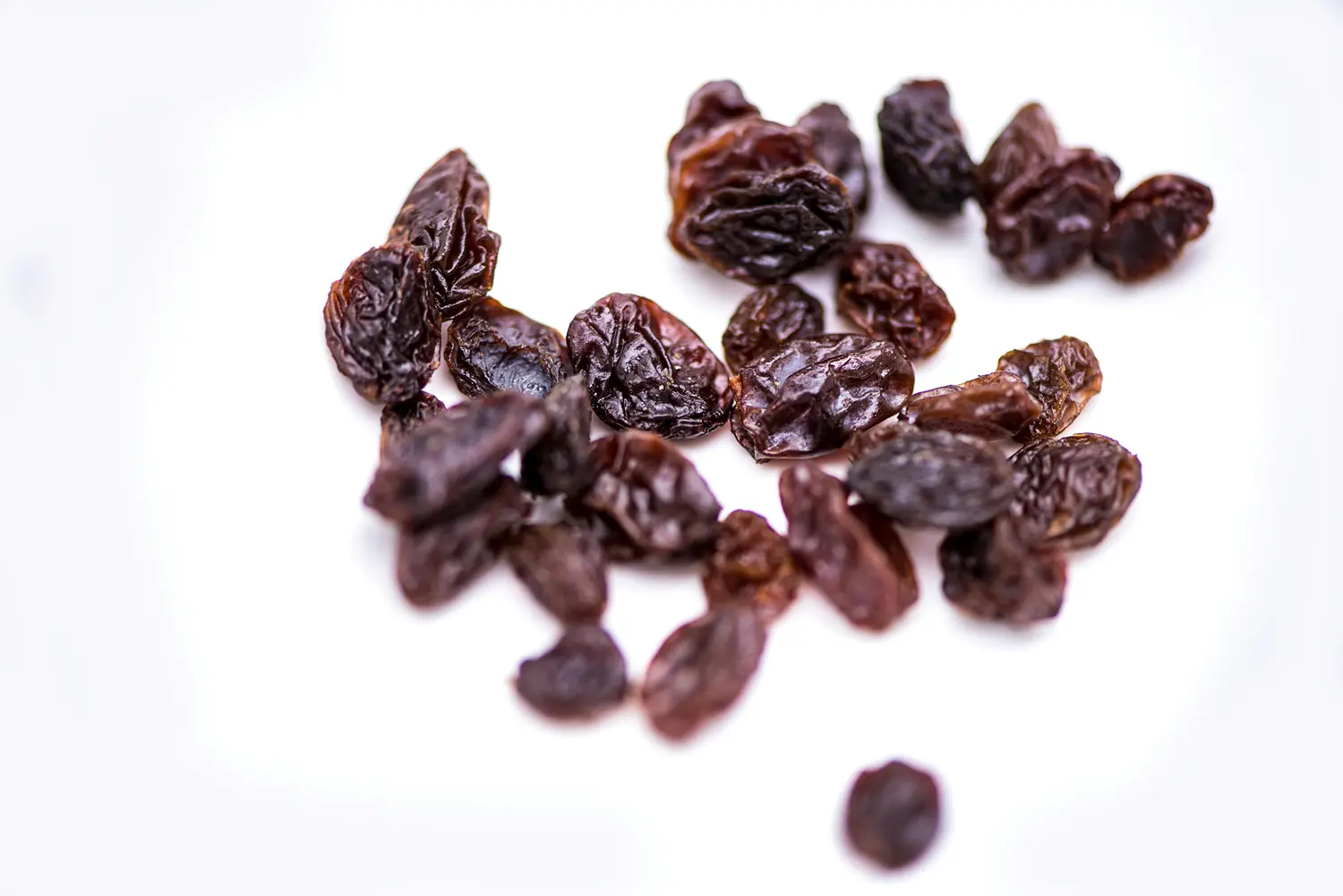
Dried grapes are a genuinely different food from a blood-sugar standpoint, not just a smaller version of the same thing. The drying process removes nearly all of the water content from grapes, which concentrates everything else, including the sugar, into a much smaller volume.
A cup of fresh grapes might become roughly a quarter-cup of raisins, meaning the same amount of sugar that was previously spread across a large, water-rich serving is now packed into a small handful. It's also far easier to eat a large effective quantity of grapes in raisin form without realizing it, since a small handful doesn't feel like much.
If you're managing blood sugar, fresh grapes are the better choice over raisins or grape juice, both of which concentrate or isolate the sugar in ways that speed up absorption.
Tips for Enjoying Grapes Safely
Measuring out a half-cup portion in advance, rather than eating straight from the bag while distracted, is one of the simplest ways to avoid unintentionally eating several servings at once, since grapes are easy to eat quickly without noticing volume.
Pairing them with protein or fat, as mentioned above, isn't just a nice-to-have; it changes the actual digestive rate. Choosing fresh grapes over dried or juiced versions preserves the fiber and water content that slow absorption in the first place.
And because individual blood sugar responses to the same food can vary meaningfully between people, due to differences in gut bacteria, insulin sensitivity, and overall diet, checking your own blood sugar an hour or two after eating grapes can tell you more about your personal response than any general guideline can.
The Bottom Line
Grapes don't need to be off-limits for diabetics. In sensible portions, they offer fiber, antioxidants, and genuine nutritional value without the dramatic blood sugar spike some people assume based on their sweetness alone.
The bigger picture, total daily carbohydrate intake, activity level, medication timing, and what other foods a meal contains, matters more than any single fruit in isolation.
Managing diabetes involves more than tracking individual foods. If you're in the Emporia area, CareArc's primary care team can help build a complete plan tailored to your numbers and lifestyle. Request an appointment to get started.