10 Best Fruits for Diabetics (And How Much Is Safe to Eat)
August 18, 2026
A lot of diabetes advice focuses on which fruits to avoid, but that framing leaves out something important: most fruits, eaten in reasonable portions, can be part of a healthy diabetes diet. The fruits below tend to score well on two measures that matter more than sweetness alone.
Glycemic index measures how quickly a food's carbohydrates convert to blood glucose compared to pure sugar, while fiber content determines how much that speed gets slowed down in practice. A fruit with a moderate glycemic index but high fiber often behaves better in the body than the raw number alone would suggest, since fiber physically slows how fast sugar is absorbed into the bloodstream. Note that glycemic index values vary somewhat between studies depending on ripeness, variety, and testing method, so treat the numbers below as a useful general guide rather than an exact science.
1. Berries
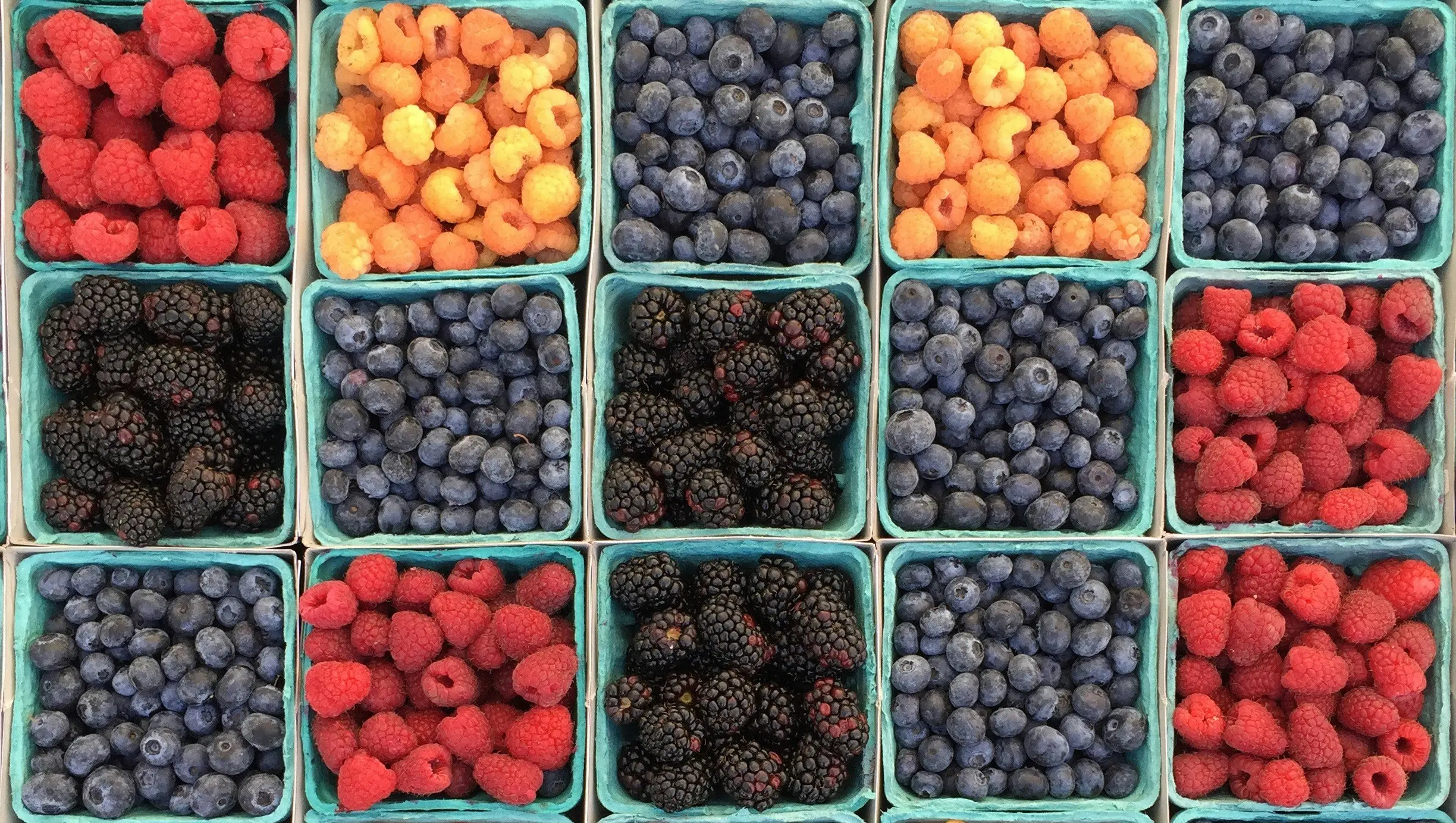
Strawberries, blueberries, raspberries, and blackberries are consistently among the lowest-sugar, highest-fiber fruit choices available. Raspberries and blackberries tend to rank lowest on the glycemic index, generally in the 25 to 32 range, while strawberries and blueberries run somewhat higher, typically in the 40s, though all are considered low to moderate. A full cup of most berries contains around 15 grams of carbohydrate or less, and 4 to 8 grams of fiber depending on the type, with raspberries and blackberries offering the most fiber per cup.
Berries are also rich in anthocyanins, the antioxidant compounds responsible for their deep color, which some research links to modest improvements in insulin sensitivity over time. Frozen berries retain nearly identical nutritional value to fresh and are a practical, lower-cost way to keep a low-glycemic fruit option on hand year-round.
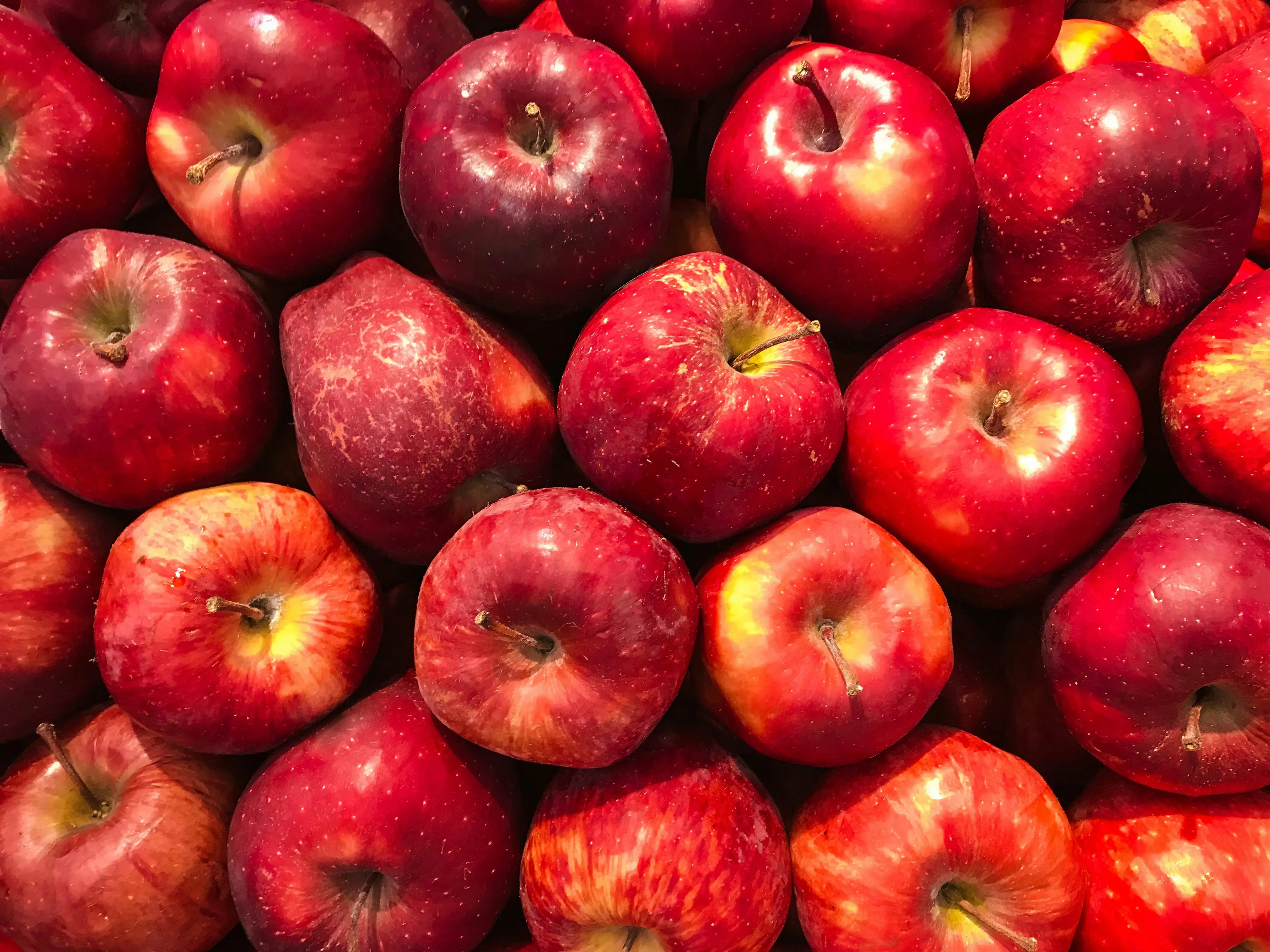
Apples generally fall in the 36 to 44 range on the glycemic index, varying somewhat by variety and ripeness. A medium apple with the skin on delivers close to 4 grams of fiber, much of it a type called pectin that specifically slows digestion and blunts the blood sugar response.
Removing the skin, or choosing apple juice instead of the whole fruit, strips out most of that fiber and changes the equation considerably, since juice concentrates the sugar from multiple apples while discarding the fiber that would normally slow its absorption. Pairing an apple with a source of protein or fat, a classic example being a tablespoon of peanut butter, further slows gastric emptying and produces an even gentler blood sugar response.
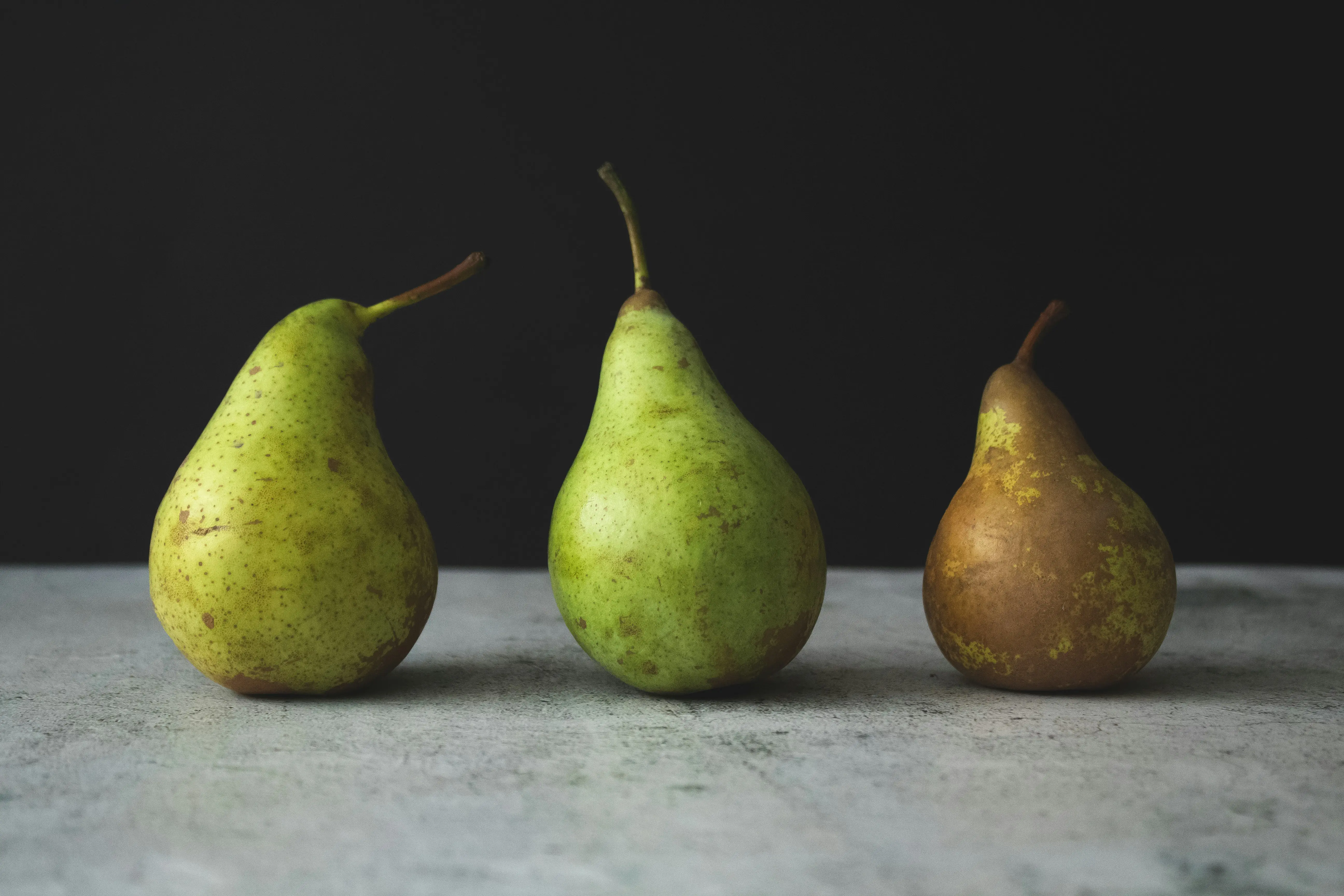
Pears rank slightly lower than apples on the glycemic index, generally in the 30 to 38 range, and behave similarly for the same underlying reason: a meaningful fiber content concentrated largely in the skin. A medium pear provides roughly 5 to 6 grams of fiber, slightly more than a comparable apple, making it one of the more filling, slower-digesting fruit options on this list.
Ripeness affects how quickly a pear digests, since the starches in an underripe pear convert to sugar as it ripens, meaning a firmer pear will generally produce a gentler blood sugar response than a very soft, fully ripe one.
4. Cherries
Cherries have one of the lowest glycemic index values of any common fruit, typically cited around 20 to 22, making them one of the more forgiving fruit choices for blood sugar management. They also contain anthocyanins similar to those found in berries and red grapes, which have been studied for potential anti-inflammatory effects relevant to metabolic health.
Sweet cherries and tart cherries differ somewhat in sugar content, with tart cherries generally containing less sugar per volume, though both fall within a reasonable range in typical servings. A reasonable serving is about half a cup to a cup of pitted cherries, which keeps the carbohydrate count in a manageable range regardless of which variety you choose.
5. Peaches
Reported glycemic index values for peaches vary more than most fruits on this list, with different sources placing them anywhere from the high 20s to the low 40s, generally landing in the low-to-moderate range. A medium peach contains around 15 grams of carbohydrate.
Fresh peaches are meaningfully different from canned peaches packed in syrup, which add substantial extra sugar on top of the fruit's natural content, and nectarines, essentially a fuzzless peach variety, have a very similar nutritional and glycemic profile, so the same guidance applies to both.
6. Oranges
Oranges generally fall in the 40 to 45 range on the glycemic index. Whole oranges contain fiber in their pulp and membranes that slows sugar absorption, which is part of why a whole orange produces a gentler blood sugar response than an equivalent amount of orange juice, where that fiber has been removed.
A medium orange is a reasonable single serving and also provides a meaningful amount of vitamin C and folate. Eating the whole segments, including some of the white pith many people discard, provides slightly more fiber than a perfectly peeled, pith-free orange.
7. Kiwi
Kiwi is a bit of an outlier on this list, with a glycemic index generally reported in the 47 to 50 range, higher than most of the other fruits here despite tasting quite sweet-tart rather than overtly sugary. It still falls within the low-to-moderate category overall, and a single kiwi provides a meaningful amount of fiber, potassium, and vitamin C relative to its small size, with vitamin C content that rivals or exceeds an equivalent amount of orange.
Two kiwis make a reasonable serving for most people managing blood sugar. Eating the skin, which is edible though not to everyone's taste, adds extra fiber if you don't mind the texture.
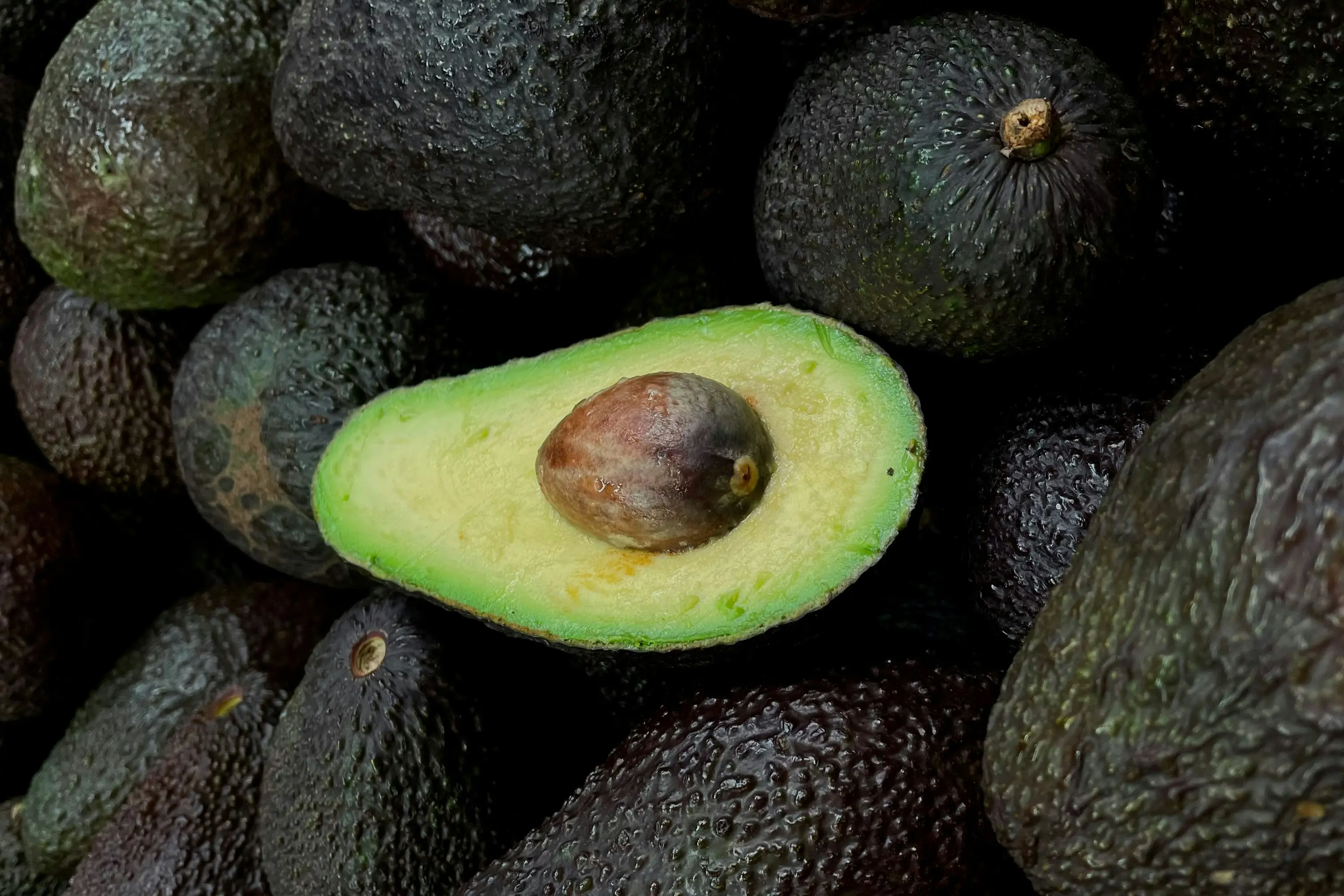
Technically a fruit, avocado is unusual on this list because it has one of the lowest glycemic index values of any fruit, often cited around 10 to 15, and is very low in sugar while being high in healthy monounsaturated fat and fiber. A half of a medium avocado contains around 5 grams of fiber and more potassium than a medium banana.
Beyond being a good standalone choice, avocado is useful paired with higher-sugar fruits or meals in general, since its fat content slows gastric emptying and blunts the blood sugar impact of whatever it's eaten alongside. Its calorie density is worth keeping in mind despite the low glycemic index, since portion size still matters for overall calorie and weight management.
9. Grapefruit
Grapefruit has a low glycemic index, generally cited around 25, and is often recommended in diabetes-friendly eating plans. It also contains naringenin, a flavonoid compound some research has studied for a possible role in improving insulin sensitivity, though this research is still developing.
One important caution: grapefruit affects an enzyme in the liver and intestines called CYP3A4, which is involved in metabolizing many common medications, including some statins and certain blood pressure medications. This interaction can cause more of the medication to remain active in the bloodstream than intended. If you take prescription medication regularly, it's worth confirming with your provider or pharmacist whether grapefruit is safe for you specifically before adding it regularly to your diet.
10. Plums
Glycemic index values for plums vary by source, generally falling somewhere in the 24 to 39 range, placing them comfortably in the low category. A serving of two small plums or one large plum keeps the carbohydrate count comparable to other moderate-portion fruit choices on this list.
As with grapes and raisins, dried plums, better known as prunes, concentrate the natural sugar into a much smaller volume once the water content is removed, meaning a small handful of prunes delivers considerably more sugar than the equivalent weight in fresh plums. Fresh plums remain the better choice for blood sugar management.
The Bottom Line
Fruit does not need to be a source of anxiety when managing diabetes. Choosing higher-fiber, lower-glycemic options, watching portion size, and pairing fruit with protein or healthy fat when possible all help keep blood sugar responses manageable while still getting the real nutritional benefits fruit provides. Individual responses to the same fruit can vary, so checking your own blood sugar an hour or two after eating a new fruit can tell you more about your personal response than any general guideline.
Want help building a full eating plan around your own numbers? CareArc's primary care team can help. Request an appointment to get started.